
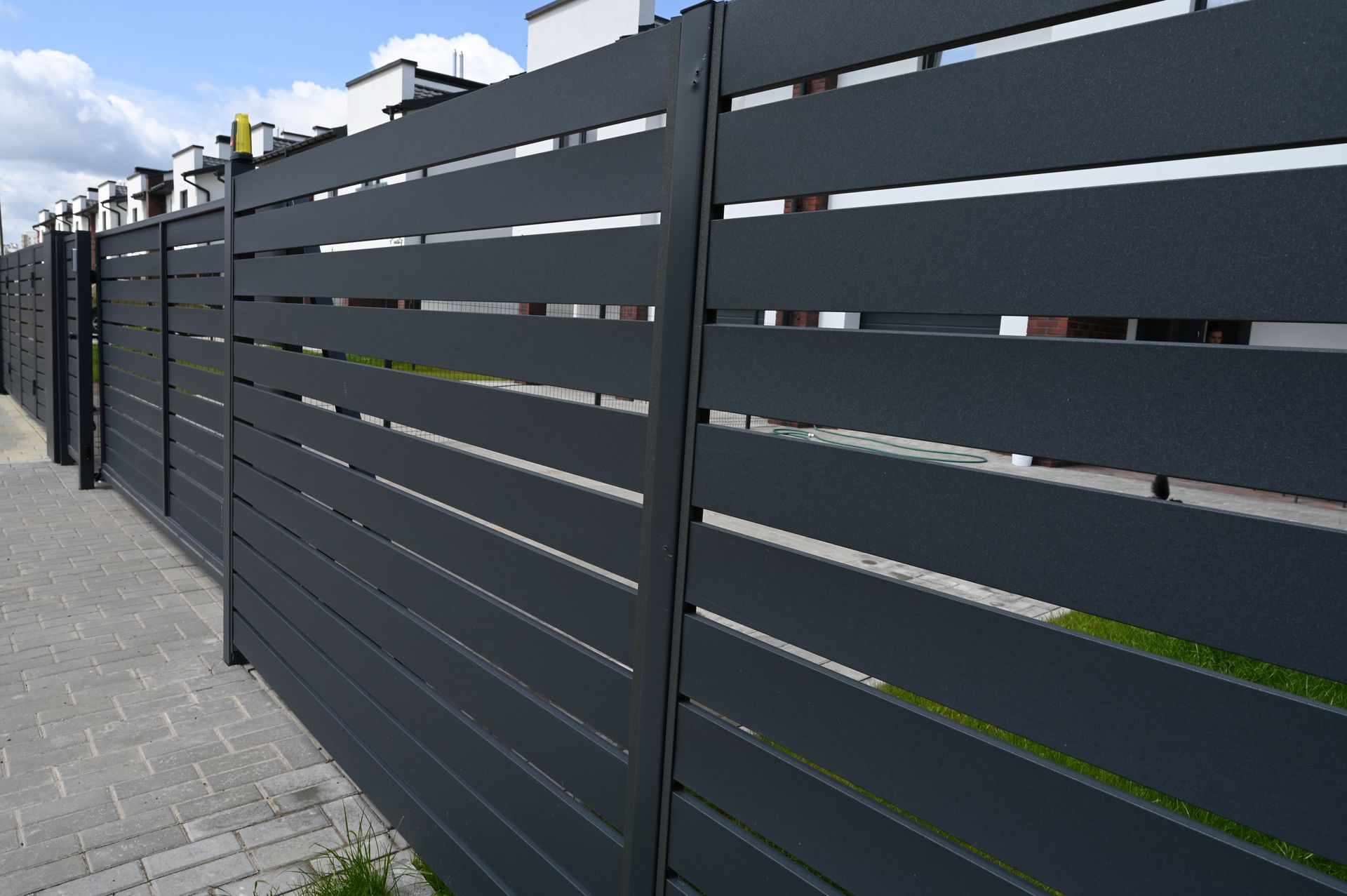
Low Maintenance Boundaries That Last
Aluminum Fences in Monmouth County for yards, pool enclosures, and property boundaries without rust concerns
FG Ironworks installs aluminum fencing for homeowners and commercial property owners across Monmouth County who need perimeter definition without the maintenance demands of wood or the corrosion problems of untreated steel. You choose aluminum fencing when chain link looks worn, wood fencing requires constant staining, or you need a pool enclosure that meets code requirements while resisting rust in humid conditions. These fences are installed along property lines, around pools, and at commercial building perimeters where appearance and durability both matter.
Aluminum fencing does not rust, making it well-suited for coastal areas and properties with irrigation systems or standing water. The material is lighter than iron, which simplifies installation and reduces stress on posts set in sandy or clay soils. Sections are pre-assembled with pickets welded or mechanically fastened to horizontal rails, and posts are set in concrete footings below the frost line. Powder-coated finishes provide color consistency and surface protection without the need for annual painting or sealing.
If you need fencing that meets local code requirements without ongoing rust treatment or wood replacement, reach out to discuss layout and scheduling for your property.
How Aluminum Fencing Is Installed and Anchored
You start with a site layout where property lines are confirmed, post locations are marked, and any grade changes or obstacles are noted. Post holes are excavated to the required depth, typically thirty to thirty-six inches depending on frost line and soil conditions. Posts are set in concrete, leveled, and braced until the footing cures. Rail sections are attached to posts using brackets designed to maintain spacing and alignment without requiring field welding.
After installation, you notice that fence sections remain rigid when pushed, posts stay vertical without tilting, and the finish shows no signs of oxidation or discoloration even after months of exposure to rain and sun. FG Ironworks installs each section with attention to picket alignment and rail height consistency. Gates swing freely without binding, and self-closing hinges engage cleanly if required for pool code compliance. The fence line follows the terrain without gaps or sagging.
Aluminum fence installation does not include removal of tree roots or underground stumps, excavation through solid rock or ledge, or grading work to level uneven terrain. If utility lines are present, locating services must be arranged before digging begins. Landscaping restoration and mulching are not included unless specified in advance.
Questions Property Owners Ask About Aluminum Fencing
Homeowners and business owners typically want to understand how aluminum fencing compares to other materials and what maintenance is required over time before selecting a fence system.
What height options are available for aluminum fencing?
Aluminum fencing is commonly available in heights ranging from three feet to six feet for residential applications, with taller sections available for commercial properties or areas requiring enhanced security and visibility control.
How do aluminum fences perform in high wind conditions?
Aluminum fencing is lighter than iron but remains structurally sound in high wind when posts are properly set in concrete footings and rail sections are securely fastened, making it suitable for open yards and coastal properties in Monmouth County.
When is aluminum fencing required for pool enclosures?
Most New Jersey municipalities require pool fencing to meet specific height, gate, and latch standards to prevent unsupervised access, and aluminum fencing is often selected because it meets code requirements while resisting rust and requiring minimal maintenance.
Why does aluminum fencing cost less than iron in some cases?
Aluminum fencing is lighter and easier to transport and install than iron, which can reduce labor time and material handling costs, though pricing also depends on finish quality, picket style, and the complexity of the installation site.
What tools are used to set aluminum fence posts?
Installation typically requires post hole diggers or power augers, levels, concrete mix, and wrenches or drivers for bracket assembly, with stainless steel hardware used to prevent galvanic corrosion where aluminum meets steel fasteners.
FG Ironworks installs aluminum fencing throughout Monmouth County with a focus on code compliance, material quality, and long-term performance. If you are ready to discuss fence height, style, and installation scheduling, contact the team to arrange a site visit.